

【乾料】
- 杏仁粉:1 cup
- 奇亞籽:1T
- Spelt Flour: 1T
- 肉桂粉:1t
- 三色葡萄乾:1T
- 赤藻醣醇:2t
- 蘇打粉:1/4t
- 表面裝飾:無花果乾、胡桃
【濕料】
- 全蛋:2 個
- 蜂蜜:1T
- 椰子油:2T
【作法】
- 烤箱預熱至 180 度C。
- 乾料以打蛋器攪拌均勻。
- 濕料以攪拌器攪拌均勻。
- 將濕料倒入乾料中,攪拌均勻。
- 入模
- 表面裝飾,入烤箱。
- 180 度C約烤 20 分鐘,以牙籤插入麵包中心無沾黏即烤好。


 |
| Added tamanu oil in the recipe. This soap is designed to be good for sensitive skins. |


 |
| Photo credit to: http://kplant.biodiv.tw/芳香萬壽菊/芳香萬壽菊1.jpg Mt. Lemmon Marigold leaves can be used to make tea, which have a great sweet aroma. |
 |
|
 |
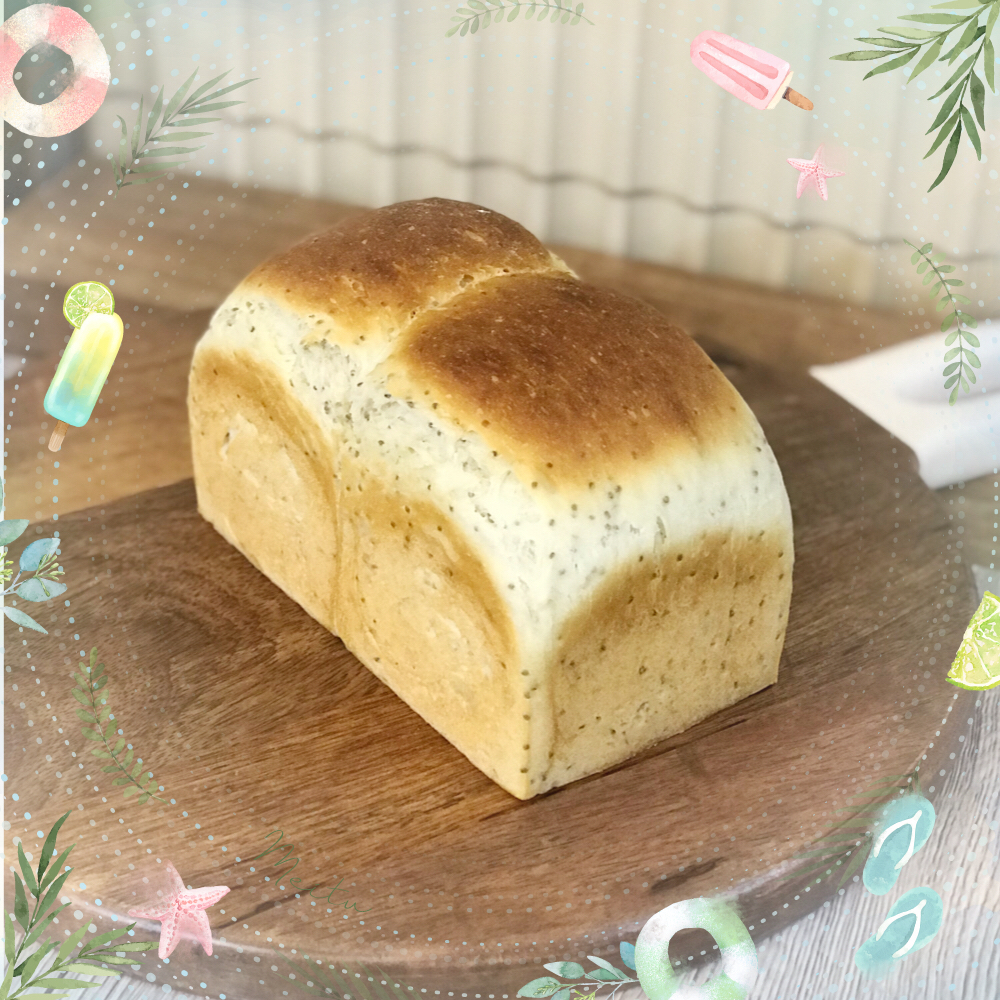
| 這次的柳丁酵母是從田裡摘回的柳丁培養的, 活力非常好! |


 |
|
 |
| Not happy with the texture. |

The following information is from:https://thenerdyfarmwife.com/troubleshooting-cold-process-soap-problems/#section23Soap has small visible white spots all throughout:
1. Stearic Acid Spots (feel solid, smooth, waxy)
Reason: Hard fats such as palm, tallow, lard, butters, etc contain solid fatty acids (like stearic acid & palmitic acid) that need a higher temperature to melt, while other components of the fat melt more easily.
Solution: If your temperatures get too cold, the fatty acids in solid fats can start solidifying before they can react with the lye, and you can end up with stearic acid spots. Working with warmer temperatures can help in that case. If using palm oil, it’s recommended to completely melt and stir the oil every time you use it or you might have an uneven balance of fatty acids, leading to more spots in some batches.
|


 |
|

 |
|
Claude Monet 克勞德・莫內(1840–1926) Claude Monet|《Water Lilies》睡蓮 約 1922,吉維尼(Giverny),法國 油彩、畫布 200.7 × 213.4 cm Toledo Museum of Art, Ohio 這張...


